
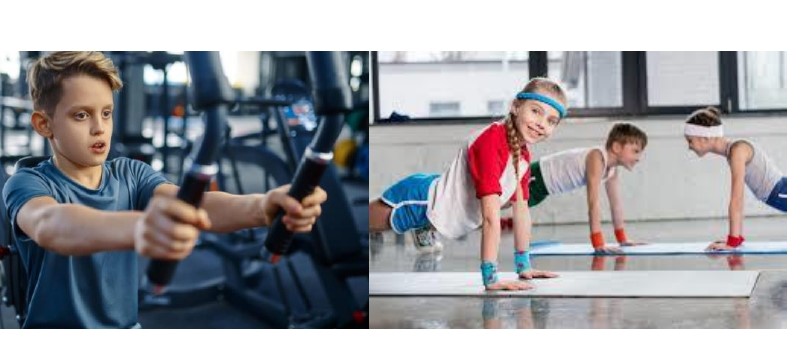
When it comes to strength training for children and teenagers, it’s a big thumbs up.
Many a mother or father has agonized over whether or not to let their children start strength training. The age-old fears of “weight training can stunt growth” and “their bones are still developing” cause parents to put the brakes on their kids’ forays into squats and bench presses.
However, health and fitness experts are adamant – it’s not just safe, but the benefits are huge. A well-tailored strength training program for children as young as 7 or 8 can do wonders for their future development, co-ordination and general health.
Not to mention the added bonuses of stronger bodies, which aid injury prevention and improved performance.
As for the massive self-esteem boosts that come with it? Enough said.
Let’s look at the different types of strength training programs most suitable for younger generations.
Before we get started though, it’s important to understand the difference between strength (or resistance) training and weightlifting, powerlifting and bodybuilding.
Strength training simply means exercising against the resistance of your bodyweight, a free weight (barbell/dumbbell) or machine.
A pushup or body squat is one of the purest forms of strength training. Carrying your shopping to the car is a sneaky form of resistance training, as is a child walking to school weighed down with their school bag.
As we advance in strength and stability, we can then look at using free weights or machines – think bench press or the leg press machine.
Weightlifting is a more intense activity. The goal is to lift as much as possible and/or to increase muscle mass. This includes bodybuilding, powerlifting and the Olympic weightlifting we see on TV. This puts much more stress on the muscles and joints and is best recommended from mid to late teens, when full skeletal maturity is reached.
7-10 year olds
When children reach 7 or 8, they’re generally considered to have strong enough bones, balances and coordination to get started on the basics.
This means bodyweight exercises to start with. The classics – pushups, squats, lunges and situps. The goal is to let them get accustomed to the variety of movements and perfecting their techniques.
It’s crucial of course, for a professional instructor to not only show the children how to do the exercises, but to correct their technique when needed. And not surprisingly, kids repsond better to someone with a sense of fun. Thanks, scoop.
From here, they can progress to heavier resistance exercises, such as carrying and throwing medicine balls. It’s all about having fun and building their confidence in applying their new-found strength.
Games, games and more games.
Enthusiasm? Not a problem.
11-15
This is the age group where many young people start taking an active interest in exercise. It coinicides with the early teen years when the self-consciousness kicks in.
At this stage, kids/teens are more than ready to try their hand at free weights and machines. They should have a basic foundation of strength from mastering bodyweight exercises and can now apply the same movements with added resistance.
As with the 7-10 brigade, professional supervision and instruction is a must.
Again, just the basic exercises are recommended.
For free weights – barbell squats, bench presses, overhead presses and if possible – chin ups!
For machines – leg press, shoulder press machine and lat pulldown will do very nicely.
Full skeletal maturity – when bones are fully formed – usually comes in the late teens. For this reason, it’s best to aim for lighter weights and more reps.
Aiming for 2-3 sets of each exercise, and 12-15 reps per set is a great place to start. Although the importance of stretching can be introduced at a younger age, it’s from this age bracket onwards that the penny starts to drop.
Soaring levels of self-confidence is the main thing to monitor here, so ensuring exercises are done correctly is the key.
16-18
Teens – oops, young adults – at this age are pretty much ready to up the ante in terms of strength training. By now, many people of this age group will have either reached full bone maturity or are close to it.
They’re more than capable of taking on resistance training programs, using the whole spectrum of exercises and equipment. In fact, many will be at least as capable as many adults. What they lack in strength, they make up for in flexibility, balance and oodles of enthusisam.
Many late teens will be looking at strength training to help them become faster, stronger or bigger for their particular sport. In these cases, it’s just as important to be doing strength training as preventative measures against possible injuries.
An often overlooked bonus is the stress release that strength training brings. Adults can attest to
This is the age where the daughter or son challenges their loving parent to a pushup or bench press contest. Which is when any parent with an ounce of self-respect should do the wise thing – politely decline.
As any good parent knows, it’s always best to keep them guessing.
Is strength training okay for kids? You better believe it.
 wackawoo.com
You must be logged in to post a comment.